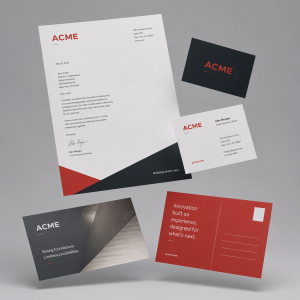
At trade shows, connecting with your audience is huge, especially in the manufacturing industry. How do you make that connection? Graphic design. Great design isn’t just looking the best, though, its also about conveying a message and story as quickly and thoroughly as possible. That way, your brand builds trust with prospective clients. Let’s explore why well-designed trade show materials are so important to the manufacturing industry.
Knowing Your Audience
The first question you need to answer is – who are you trying to reach? Who’s this for? Trade shows are oft attended by people like executives and procurement officers who want to make sure they’re getting the best in efficiency and reliability. They know their stuff and you need materials that show your ability.
What might executives be looking for? Maybe ways to save, or the impact on business. Engineers might be swayed more by schematics and performance statistics. Your design must speak to their individual priorities.
The Key Ingredients of Effective Trade Show Materials
Every piece of trade show collateral—from banners to brochures—needs to work hard to grab attention and keep it. Think of your designs as hardworking employees at the event. Here are a few ways to ensure they’re performing at their best:
Consistency is Key
Your materials should reflect your company’s branding. Consistent use of your logo, colors, and fonts creates a professional, unified appearance. It also makes your booth instantly recognizable—even from across a crowded hall.
Messaging That Matters
Nobody wants to read a novel at a trade show. Keep your messaging concise and impactful. Focus on the benefits your product or service provides rather than drowning attendees in technical jargon. Remember, clear messaging is memorable messaging.
Quality Imagery
A picture is worth a thousand words… and, in this case, maybe a few business deals, too. High-quality, relevant visuals—like images of your product in action—can make a huge difference. Low-resolution or generic stock photos? They’ll do more harm than good.
Selecting the Right Trade Show Materials
Not all print pieces are created equal. Different materials serve different purposes, and knowing what to use (and when) can be a game-changer for your trade show strategy.
Banners and Backdrops
Think of your banners and backdrops as the opening act. They need to draw people in from a distance, so go bold with large, clear fonts and eye-catching visuals. Your booth is the stage—make sure it looks the part.
Brochures and Flyers
Once attendees are engaged, hand them something tangible to take with them. Brochures and flyers are perfect for sharing more detailed information. Just make sure the design is clean and easy to scan. Bullet points, headings, and white space are your best friends here.
Product Sheets
For technical buyers, product sheets are gold. Include specs, performance metrics, and a QR code linking to more in-depth resources. Bonus points if the design is compact and portable—nobody wants to lug around a stack of paper.
Designing Trade Show Materials for Impact
Good graphic design isn’t just art; it’s strategy. And in a fast-paced trade show environment, every detail counts.
Use Design Hierarchy
Guide the viewer’s eyes through your design with intentional hierarchy. Headlines should grab attention, subheadings should provide context, and body text should fill in the details. This way, even a quick glance communicates value.
Play with Contrast
Contrast isn’t just about aesthetics; it’s a functional tool. Use it to make key elements pop, whether it’s through bold colors, size differences, or sharp lines. Just don’t overdo it—too much contrast can feel chaotic.
Leave Room to Breathe
White space (a.k.a. empty space) is the unsung hero of design. It prevents visual overload and helps viewers focus on what really matters. Think of it as giving your audience’s eyes a chance to rest.
Manufacturing-Specific Design Considerations
The manufacturing industry comes with its own set of challenges and priorities. Your materials should reflect that.
- Highlight Durability: Use design elements that emphasize the strength and reliability of your products. Metallic textures or bold, clean lines can subtly reinforce these qualities.
- Use Industry Imagery: Photos of machinery, factory settings, or workers in action can connect with your audience on a deeper level. Authenticity is key—make sure the images feel real and relevant.
Avoiding Common Pitfalls
Mistakes happen, but they can be costly at a trade show. Here are a few to steer clear of:
- Overloading with Text: Keep it simple. No one has the time (or patience) to read paragraphs of information.
- Ignoring Readability: Choose professional fonts and ensure everything is legible from a reasonable distance.
- Using Generic Templates: Tailored designs speak volumes about your professionalism and attention to detail.
The Value of Professional Support
Creating effective trade show materials for the manufacturing industry is no small feat. It takes a keen understanding of your audience, a strong grasp of design principles, and an eye for detail. While these tips can get you started, partnering with a professional print marketing company can take your materials to the next level. With expertise in both design and the manufacturing space, they can help ensure your trade show presence leaves a lasting impression—and maybe even earns a few deals.
Our team is equipped with the tools and expertise to make sure your message is seen far and wide! Don’t forget to stay up to date with us by following along with the Marketing Tech blog and social media.
Are you ready to bring the best trade show materials to your manufacturing business? Connect with our experts today! After all, great design isn’t just about looking good; it’s about making connections. And at the end of the day, isn’t that what every trade show is about?